
How to Get Your SaaS Brand Visible in AI Search Results
SaaS buyers increasingly ask AI assistants for tool recommendations instead of searching Google. If your product doesn't show up when someone asks "What's the best CRM for startups?" or "Compare project management tools," you're invisible at the moment of decision. This guide covers how AI recommendations work for SaaS categories, what determines which products get mentioned, and how to measure and improve your brand's presence across 9 AI platforms.

Why AI Visibility Is a Revenue Problem for SaaS
When a potential customer asks ChatGPT "What project management tool should a growing team use?" and your product isn't in the response, you didn't lose a ranking. You lost a potential deal before the buyer ever visited your website. This is happening at scale. According to research from Backlinko and industry surveys, a majority of B2B buyers in technology sectors now use AI tools as much as or more than search engines for vendor discovery. GenAI chatbots rank as the number one source influencing vendor shortlists at 17.1%, outranking software review sites, vendor websites, and even peer recommendations. The shift is particularly acute for SaaS. Software purchasing decisions involve comparison queries. Buyers type things like:
- "What are the best email marketing platforms for ecommerce?"
- "Compare HubSpot vs Salesforce for small business"
- "Recommend a CRM with strong Slack integration"
- "What tools do remote teams use for async collaboration?"
These are the exact types of prompts where AI platforms name specific products. If you're not being named, your competitors are. ### The Category Query Problem
SaaS lives and dies by category association. When an AI model understands that your product belongs in a category and has clear strengths, it will include you in relevant answers. When it doesn't have enough signal, it defaults to the brands with the strongest online presence, which usually means your largest competitors. This is different from traditional SEO, where you could rank for long-tail queries even as a smaller player. AI responses tend to mention fewer products (usually just a handful) and weight authority heavily. Getting into that short list matters far more than ranking on page two of Google ever did.
How AI Decides Which SaaS Products to Recommend
Understanding why AI platforms recommend certain products over others is the first step toward improving your own visibility. The process isn't random, but it's also not a simple ranking algorithm. ### Training Data and Web Presence
Large language models learn about products from their training data, which includes website content, blog posts, documentation, review sites, news articles, community discussions, and more. If your brand appears frequently across authoritative sources in the context of your category, AI models are more likely to mention you. This means that a SaaS company with strong G2 reviews, active community discussions, published case studies on third-party sites, and coverage in industry publications has a significant advantage over one that only has its own marketing site. ### Real-Time Retrieval
Some AI platforms, like Perplexity and ChatGPT with browsing enabled, pull real-time information from the web when answering queries. For these platforms, your current web presence matters more than historical training data. Your product pages, comparison content, and FAQ sections need to be accessible and well-structured right now. ### Clarity of Positioning
AI models are good at categorizing things, but they need clear signals. If your website describes your product as "a platform for teams to collaborate and drive outcomes," an AI model has very little to work with. If your website says "email marketing software for ecommerce brands," the model knows exactly when to recommend you. Vague positioning is one of the most common reasons SaaS companies don't appear in AI answers. The fix is often straightforward: be specific about what you are, who you serve, and what makes you different. ### Third-Party Validation
AI platforms weigh third-party mentions heavily. Your own website claiming you're "the best CRM" carries less weight than five independent review sites, three industry publications, and a dozen blog posts all confirming that your CRM is strong in a particular area. For SaaS companies, this means review platforms (G2, Capterra, TrustRadius), industry analyst coverage, guest posts on authoritative blogs, and mentions in comparison articles all feed directly into your AI visibility.
Measuring Your SaaS Brand's AI Visibility
You can't fix what you can't see. Before optimizing anything, you need a clear picture of where your brand stands across AI platforms today. ### Define Your Prompt Set
Start by listing the queries your ideal customers are asking AI assistants. For SaaS, these typically fall into four categories:
Category queries: "What are the best [your category] tools?" or "Top [your category] software for [segment]"
Comparison queries: "Compare [your product] vs [competitor]" or "[Competitor A] vs [Competitor B] vs alternatives"
Problem-solution queries: "How do I [solve problem your product addresses]?" or "Best way to [task your product handles]"
Recommendation queries: "Recommend a [your category] tool for [specific use case]" or "What [category] tool works best with [integration]?"
PromptEden's free AI Query Generator at /tools/query-generator/ can help you brainstorm prompts you might not have considered, especially edge cases and long-tail variations. ### Monitor Across Multiple AI Platforms
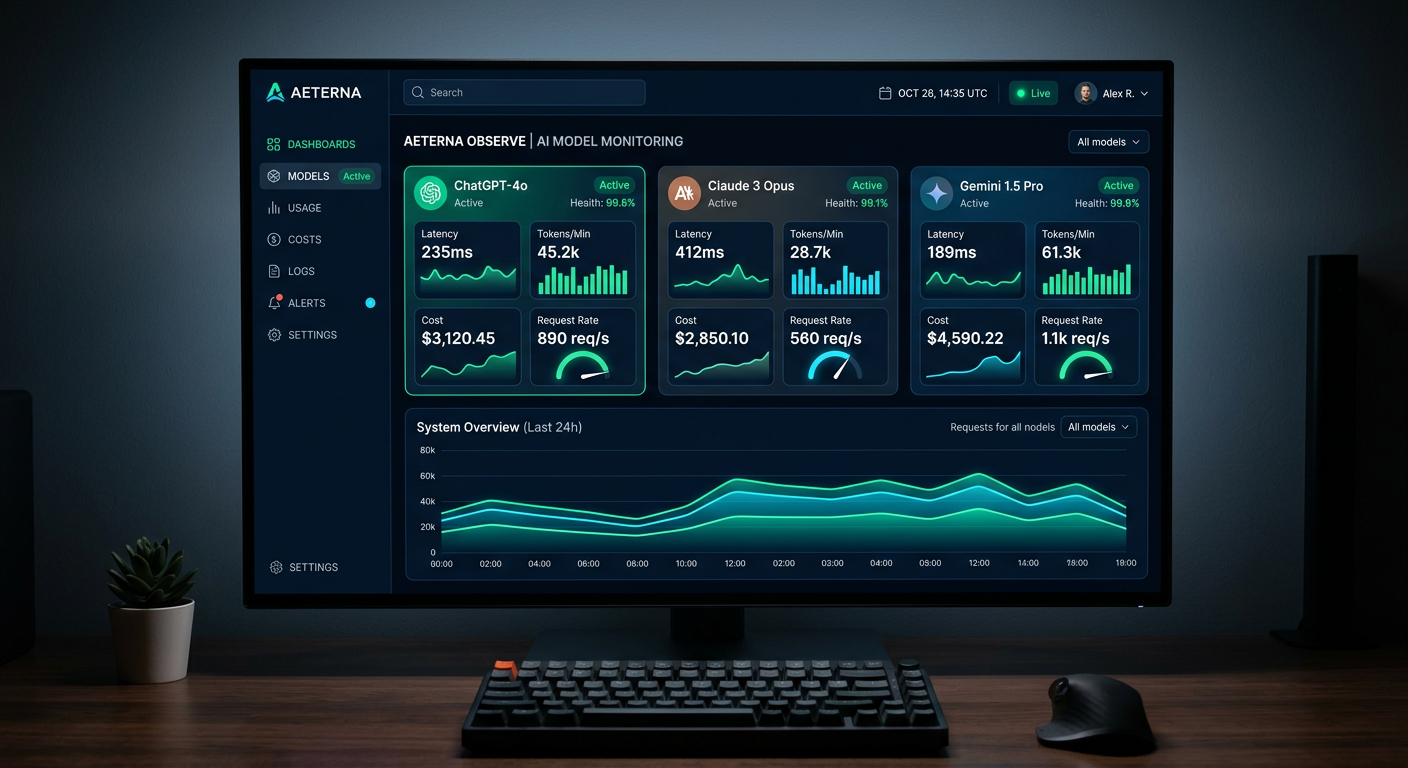
A common mistake is only checking ChatGPT. Your brand might get mentioned by Perplexity but ignored by Claude, or recommended by Gemini but criticized by Copilot. Each platform pulls from different sources and generates different responses. PromptEden monitors brand mentions across 9 AI platforms, including ChatGPT, Claude, Gemini, Perplexity, Google AI Overviews, and more. For SaaS companies competing in crowded categories, that cross-platform view is what separates useful data from a partial picture. ### Track a Composite Visibility Score
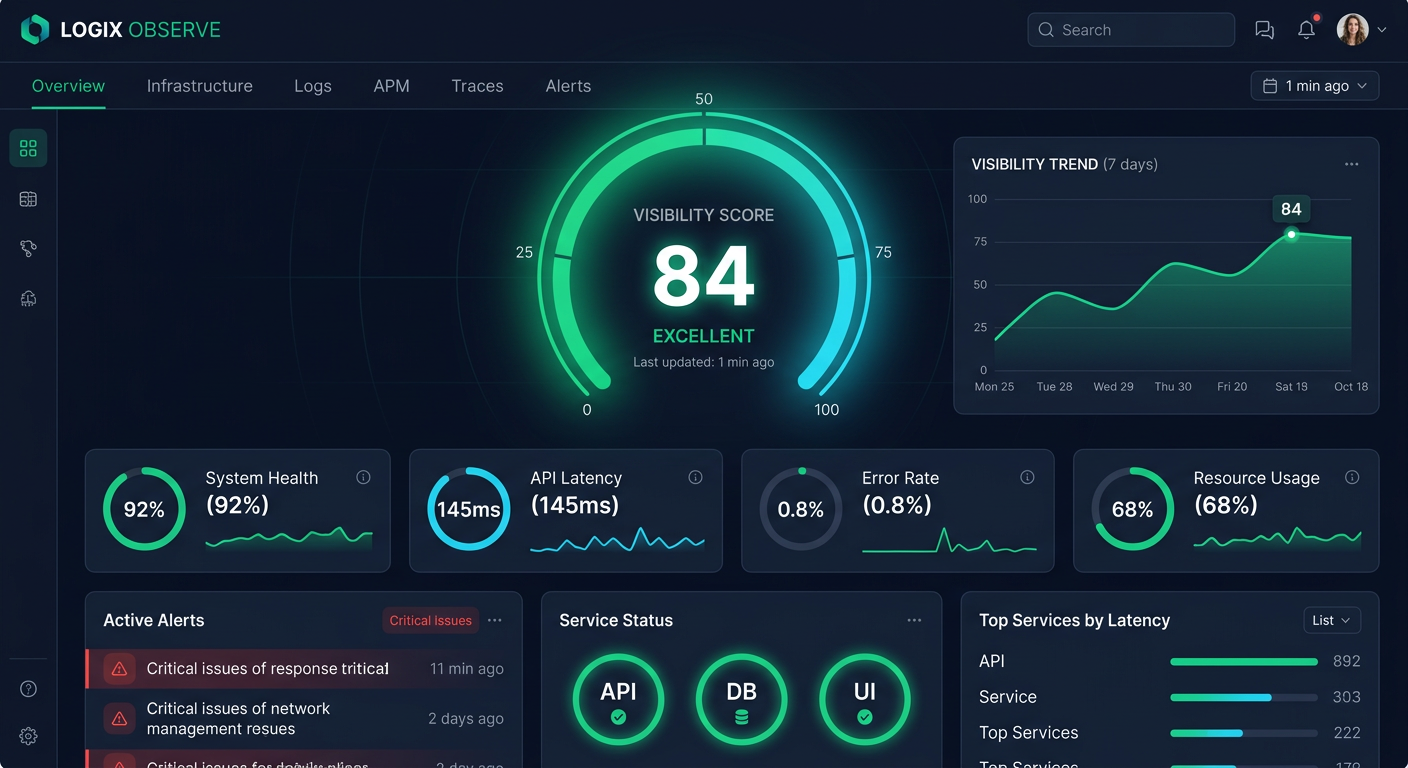
Simple mention counts don't tell the whole story. Being mentioned as a footnote is different from being the top recommendation. PromptEden's Visibility Score (0-100) measures four dimensions:
- Presence: Does the AI mention your brand at all? - Prominence: Are you featured or just listed? - Ranking: Where do you appear relative to competitors? - Recommendation: Does the AI actively suggest your product? For SaaS specifically, the Recommendation dimension matters most. A product that gets passively listed in a category roundup has lower commercial impact than one that gets explicitly recommended for a use case. ### Understand Your Citation Sources
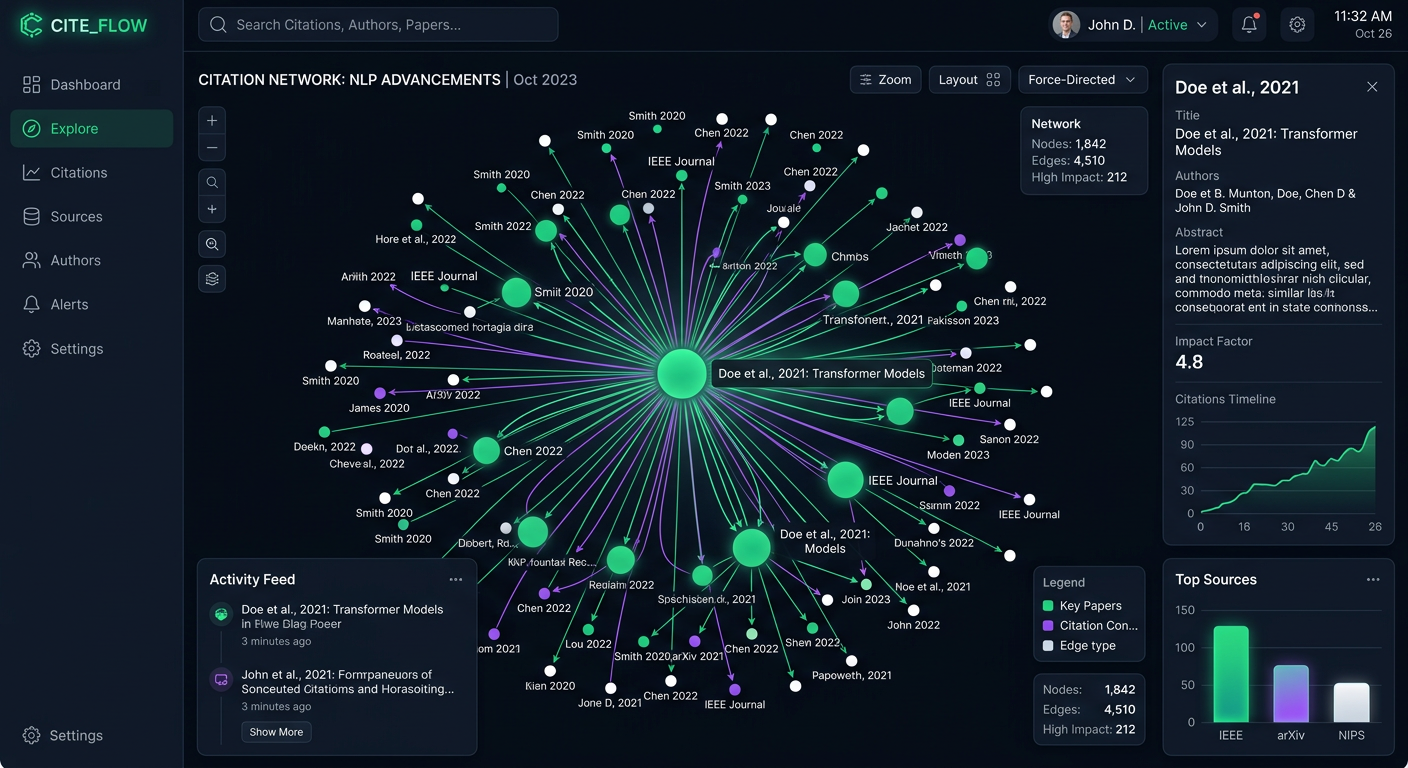
When AI platforms mention your SaaS product, they're drawing from specific sources. Citation Intelligence tracks which websites AI cites when discussing your brand. This reveals whether your visibility comes from your own content, review sites, blog coverage, or documentation. If your competitor gets cited from G2, Capterra, three blog posts, and a TechCrunch article while you only get cited from your own homepage, you know exactly where the gap is.
A SaaS-Specific AEO Playbook
Here's a practical playbook built around the way SaaS buyers actually use AI for product research. ### Step 1: Audit Your Category Presence
Run your most important category queries across multiple AI platforms and document the results. For each query, record:
- Which products get mentioned (including yours and competitors)
- How your product is described (accurate? outdated? missing key features?)
- Whether the AI recommends you or just acknowledges you exist
- What sources the AI cites
PromptEden's Organic Brand Detection auto-discovers competitor mentions without manual setup, so you get a competitive baseline from the start. ### Step 2: Fix Your Technical Foundation
AI crawlers need to access your content. Many SaaS companies accidentally block AI crawlers through restrictive robots.txt rules or JavaScript-heavy pages that AI bots can't parse. - Check your robots.txt: Use PromptEden's free AI Robots.txt Checker at /tools/robots-checker/ to see if you're blocking AI crawlers
- Create an llms.txt file: This relatively new standard helps AI models understand your site structure. PromptEden's free llms.txt Generator at /tools/llms-txt-generator/ creates one in seconds
- Audit page accessibility: Product pages, pricing pages, feature pages, and documentation should all be crawlable
Step 3: Sharpen Your Positioning Content
AI models need clear, specific content to correctly categorize and recommend your product. Audit your core pages with these questions:
- Does your homepage clearly state what category you belong to? - Do your feature pages describe capabilities in concrete terms? - Do you have comparison pages that fairly evaluate you against alternatives? - Is your product's ideal customer profile clearly described? For SaaS, comparison content is especially high-value. When a buyer asks AI to compare your product with a competitor, AI platforms look for pages that cover that comparison directly. If you've published a well-structured comparison page, you're much more likely to be cited. ### Step 4: Build Third-Party Coverage
Your own website has limited influence on AI recommendations. You need independent sources confirming your product's value. Review platforms: Actively collect reviews on G2, Capterra, and TrustRadius. AI models reference these heavily for SaaS recommendations. Guest content: Publish on industry blogs, contribute to roundup articles, and participate in "best tools" lists. Each independent mention adds signal. Case studies on partner sites: Co-marketing with integration partners creates third-party content that references your product in a specific, useful context. Community presence: Answers on Reddit, Stack Overflow, and industry forums where your product gets mentioned organically all contribute to AI training data. ### Step 5: Optimize for Product-Intent Prompts
SaaS buyers using AI tend to ask very specific product-intent questions. These are the highest-value prompts for your business:
- "Best [category] for [company size/industry]"
- "[Your product] vs [competitor] for [use case]"
- "What [category] tool integrates with [popular tool]?"
- "[Competitor] alternatives with [specific feature]"
Create content that directly answers these queries. Write clearly, include specific details, and make it easy for an AI to extract a factual, helpful answer.
Common Mistakes SaaS Companies Make with AI Visibility
After working with SaaS brands on AI visibility, patterns emerge in what goes wrong. Avoiding these saves you months of wasted effort. ### Mistake 1: Only Optimizing Your Own Website
SEO trained us to focus on our own domain. AI visibility requires a broader approach. If 80% of the sources AI cites about your category are third-party sites, and you've only optimized your own pages, you're working on 20% of the problem. The fix: allocate time to building coverage on review sites, industry publications, and community platforms. Treat third-party coverage as a first-class priority, not an afterthought. ### Mistake 2: Vague Product Positioning
"We help teams collaborate better" tells an AI model almost nothing useful. When a buyer asks for a recommendation, the AI needs to match your product to specific needs. Generic positioning makes that match impossible. The fix: be direct about your category, your ideal customer, and your differentiators. "Project management software for marketing teams with built-in resource planning" gives AI something to work with. ### Mistake 3: Ignoring Competitor Monitoring
Your AI visibility doesn't exist in isolation. A competitor publishing a wave of comparison content or earning a batch of new reviews can shift AI recommendations within weeks. The fix: monitor competitor mentions alongside your own. PromptEden's competitive tracking shows you when competitors gain or lose ground across AI platforms, so you can respond before the gap widens. ### Mistake 4: Treating AI Visibility as a One-Time Project
AI models update regularly. New content enters training data. Real-time retrieval indexes change. A snapshot from three months ago may not reflect your current standing. The fix: set up ongoing monitoring. PromptEden's plans support different refresh intervals. The Free plan ($0) refreshes weekly with 10 tracked prompts. The Starter plan ($49/month) refreshes daily with 100 prompts. The Pro plan ($129/month) supports 150 prompts with daily refresh and API access. The Business plan ($349/month) tracks 400 prompts with 3-hourly refresh. For SaaS companies in competitive categories, daily monitoring (Starter or above) catches shifts before they become entrenched. ### Mistake 5: Checking Only One AI Platform
ChatGPT might recommend you while Claude ignores you completely. Perplexity might cite a competitor that Gemini doesn't mention at all. Each platform has different data sources, different retrieval methods, and different response patterns. The fix: monitor all the platforms your buyers actually use. At 9 AI platforms tracked, PromptEden gives you that complete picture rather than a single-platform snapshot.
Your First Month: A SaaS AI Visibility Plan
Here's a concrete plan to go from "not sure where we stand" to "actively improving AI visibility" in one month. Week 1: Establish Your Baseline
- Sign up for PromptEden's Free plan (10 prompts, weekly refresh, $0)
- Write prompts that match your highest-value category queries (e.g., "Best [your category] for [your ICP]")
- Run your baseline and document your starting Visibility Score
- Note which competitors appear and which platforms mention you
Week 2: Fix Technical Issues
- Run the AI Robots.txt Checker on your domain
- Generate and publish an llms.txt file
- Audit your top product pages, feature pages, and pricing page for crawlability
- Fix any issues found, focusing on pages you want AI to reference
Week 3: Content and Positioning Improvements
- Rewrite your homepage headline and product description with specific category language
- Create or update one comparison page targeting your top competitor matchup
- Publish one FAQ-style page answering the three most common category questions
- Add schema markup to product and FAQ pages
Week 4: Third-Party and Review
- Request reviews from 5 to 10 customers on G2 or Capterra
- Pitch one guest post or contribute to one roundup article in your space
- Check your Visibility Score changes from week 1
- Review which prompts improved and which didn't, then plan your next 90 days
Most SaaS teams discover that their baseline audit alone reveals surprises. Products that rank well in Google often have weak AI visibility, and products with strong review coverage sometimes outperform larger competitors in AI recommendations. The data will tell you where to focus.