

What Is Generative Engine Optimization? A Practical Guide
Generative engine optimization (GEO) is the practice of optimizing your content so AI platforms like ChatGPT, Perplexity, and Gemini cite it in their responses. Most guides rehash the original research paper without actionable steps. This guide bridges the academic definition with a practical framework you can apply to your own content, along with real strategies for measurement and iteration.

Generative Engine Optimization, Defined
Generative engine optimization (GEO) is the practice of structuring and improving your content so that generative AI systems, such as ChatGPT, Perplexity, Claude, Gemini, and Google's AI Overviews, reference and cite it when producing answers.
That is the working definition. Let's break it down. A "generative engine" is any AI system that synthesizes information from multiple sources and produces a natural-language response to a user's query. Unlike traditional search engines, which return a list of links, generative engines write their own answers. They pull from training data, retrieval-augmented sources, and sometimes live web results to construct a response that directly addresses the user's question. The term was formalized in a 2023 research paper from Princeton University, Georgia Tech, the Allen Institute for AI, and IIT Delhi. Titled "GEO: Generative Engine Optimization," the paper introduced both the concept and a benchmark for measuring it. The researchers showed that specific content optimization strategies could boost a source's visibility in generative engine responses by up to 40%. That visibility improvement finding gets cited frequently. What matters more is the implication: the content you publish, and how you structure it, directly influences whether AI platforms mention you or your competitors. GEO is the discipline of making those structural choices intentionally.
Why the Name Matters
You will see several acronyms floating around: GEO, AEO (answer engine optimization), GSO (generative search optimization). The taxonomy is still settling. In practice, GEO tends to focus specifically on generative AI platforms that synthesize and create new text, while AEO is sometimes used more broadly to include voice assistants and featured snippets. For this guide, we use GEO to mean optimization for AI systems that generate responses from multiple sources. The distinction between these terms matters less than the underlying shift: users are asking AI for answers, and your content either shows up in those answers or it does not.
Why GEO Matters Right Now
The numbers tell a clear story. ChatGPT now has over 800 million weekly active users, up from 400 million in early 2025. Perplexity AI has grown past 45 million monthly active users. Google's AI Overviews appear in a growing percentage of search results, with estimates ranging from 18% globally to over 50% for certain query types in the US. These platforms are not replacing traditional search overnight, but they are capturing an increasing share of how people find information and make decisions.
The Discovery Model Is Changing
In traditional search, users scan a list of links and choose where to click. In generative search, the AI chooses for them. It picks which brands to name, which sources to cite, and which recommendations to make. The user may never see the ten other options that did not make it into the response. This creates a winner-take-most dynamic. If the AI mentions three project management tools in its answer, those three get the consideration. Every other tool in the category is invisible for that interaction.
Traffic Patterns Are Shifting
AI-referred traffic has increased significantly since early 2025, with some reports indicating a 600% growth in click-throughs from AI platforms to websites. At the same time, AI Overviews reduce click-through rates to the websites listed below them, with studies showing drops between 34% and 58% depending on the query type. This creates two parallel trends. Direct clicks from traditional search results are declining for many query types. But AI platforms are also driving a new kind of referral traffic, particularly from citation-heavy platforms like Perplexity. Brands that appear in AI responses capture both the mindshare of users who never click and the traffic of users who do.
Early Movers Have an Advantage
Research from HubSpot found that 47% of brands still lack a deliberate GEO strategy. That gap represents an opportunity. The brands investing in GEO now are building the authority signals, content structures, and monitoring habits that will compound over time. Waiting means catching up later against competitors who started sooner.
GEO vs AEO vs SEO: How They Relate
If you work in marketing or SEO, you have probably seen these three acronyms used interchangeably. They are related, but they are not the same thing.
SEO: Optimizing for Ranked Lists
Search engine optimization targets traditional search engines like Google and Bing. The goal is to rank higher in a list of links. Success is measured by position, impressions, click-through rate, and organic traffic. SEO has a 25-year history and well-established tooling.
AEO: Optimizing for Direct Answers
Answer engine optimization focuses on getting your content selected as the direct answer to a query. This includes featured snippets in Google, voice assistant responses, and AI-generated overviews. AEO overlaps with both SEO (featured snippets are a search feature) and GEO (AI Overviews are generative).
GEO: Optimizing for AI-Generated Responses
Generative engine optimization specifically targets AI systems that create synthesized responses from multiple sources. ChatGPT, Perplexity, Claude, and Gemini are the primary examples. GEO is about ensuring your content gets cited, referenced, or reflected in what these models generate.
Where They Overlap and Diverge
All three reward high-quality, authoritative content. All three benefit from strong technical foundations. But the mechanics differ in important ways:
- SEO cares about keywords, backlinks, and page-level ranking signals. You optimize individual pages to rank for specific queries.
- AEO cares about question-answer formatting, schema markup, and concise answers. You optimize content to be directly extracted as an answer.
- GEO cares about source credibility, citation patterns, and the breadth of your brand's presence across the web. You optimize your overall content ecosystem so AI models trust you enough to cite. The practical implication: GEO requires you to think beyond individual pages. A single blog post can rank in Google. But getting cited by ChatGPT depends on how many independent, authoritative sources discuss your brand, how well-structured your content is, and whether AI crawlers can access it.
A Unified Approach
Rather than choosing one over the others, most teams need a strategy that accounts for all three. SEO drives the foundation. AEO captures direct-answer opportunities. GEO ensures visibility in AI-generated responses. The teams that treat these as complementary, not competing, priorities tend to see the strongest results across all discovery channels.
What the Research Actually Found
The GEO paper from Princeton, Georgia Tech, the Allen Institute for AI, and IIT Delhi tested nine different optimization strategies against a benchmark of real user queries. Here is what the data showed, and what it means for practitioners.
The Nine Strategies Tested
The researchers evaluated these approaches for improving visibility in generative engine responses:
- Cite Sources - Adding references to authoritative sources within your content
- Quotation Addition - Including direct quotes from domain experts
- Statistics Addition - Incorporating relevant numerical data
- Fluency Optimization - Improving the readability and clarity of text
- Unique Words - Using distinctive vocabulary rather than generic phrasing
- Technical Terms - Including domain-specific terminology
- Authoritative Tone - Writing with confidence and expertise
- Easy-to-Understand - Simplifying complex concepts
- Keyword Stuffing - Repeating target keywords (tested as a control)
What Worked Best
The strategies that improved visibility most consistently were those that added credibility signals. Citing authoritative sources, including statistics, and adding expert quotations each produced visibility improvements of 30% or more across many query types. Statistics alone boosted visibility by up to 34%. Expert quotes boosted visibility by up to 32%. Source citations improved visibility by up to 30%. Fluency and readability improvements also helped, producing gains of 15% to 30%. Making content easier for AI to parse and quote directly translates into higher inclusion rates. Keyword stuffing, predictably, did not help and sometimes hurt performance.
Domain-Specific Differences
One of the paper's most practical findings was that different domains respond to different strategies. Law and government content benefited most from statistics. Opinion-based queries responded well to quotations and authoritative sourcing. Factual queries rewarded citation density. This means there is no single GEO formula. The right optimization strategy depends on your industry, the types of queries your audience asks, and the kind of content you produce.
Limitations to Keep in Mind
The GEO paper was a controlled study using a simulated generative engine. Real-world AI platforms like ChatGPT and Perplexity have their own retrieval systems, model architectures, and ranking logic. The paper's findings are directional, not prescriptive. They tell you which general approaches tend to work. They do not guarantee results on any specific platform. That said, the core insight holds up well in practice: content that is well-sourced, data-rich, clearly written, and structured for easy extraction performs better in generative AI responses than content that lacks those qualities.
A Practical GEO Framework in Six Steps
Theory is useful but insufficient. Here is a hands-on framework for improving your content's visibility in generative AI responses.
Step 1: Audit Your Current AI Visibility
Before optimizing anything, establish a baseline. Ask the major AI platforms about your brand and your category:
- "What do you know about [your brand]?"
- "What are the best [your category] tools?"
- "Compare [your brand] vs [competitor]"
- "Recommend a [your use case] solution"
Document which platforms mention you, how they describe you, and where competitors appear instead. This manual audit gives you a starting point, though it becomes hard to maintain at scale. PromptEden automates this process by monitoring brand mentions across five AI surfaces, including ChatGPT, Claude, Gemini, Google AI Overviews, and Google AI Mode, and more. The Organic Brand Detection feature auto-discovers competitor mentions without requiring you to manually list them.
Step 2: Fix Technical Access
AI models can only cite content they can reach. Check these technical foundations:
- Robots.txt configuration: Verify you are not blocking AI crawlers. Many default configurations block bots that AI platforms use for retrieval. PromptEden's free AI content audit checklist at /resources/ai-content-audit-checklist/ flags these issues.
- llms.txt file: This file helps AI models understand your site's structure and most important content. Generate one using the free guide to setting up llms.txt at /resources/how-to-set-up-llms-txt/.
- Content format: Publish in clean, crawlable HTML. Avoid gating important content behind login walls, heavy JavaScript rendering, or PDF-only formats.
- Schema markup: Structured data gives AI systems additional context about your content. FAQ schema, article schema, and organization schema are particularly useful.
Step 3: Optimize Content Structure
Based on the GEO research findings, structure your content to maximize AI citability:
- Add source citations. Reference studies, data sources, and industry reports. AI models favor content that demonstrates its claims with evidence.
- Include specific numbers. Replace "significant growth" with a specific percentage like year-over-year growth." Specificity signals authority and gives AI something concrete to cite.
- Use expert quotes. Include relevant quotes from industry figures, analysts, or your own subject-matter experts. Attributed quotes add credibility.
- Write clear, extractable passages. AI often pulls specific paragraphs or sentences. Write section openings that can stand alone as complete, quotable statements.
- Use descriptive headings. Structure your headings as questions or clear topic labels. "How to Calculate Customer Acquisition Cost" is better than "Key Metrics" for AI retrieval.
Step 4: Build Authority Beyond Your Domain
Your own website is one signal. AI models weigh third-party coverage heavily when deciding which brands to mention. Build your presence across independent sources:
- Industry publications and analyst reports
- Guest contributions on authoritative sites
- Review platforms and directories relevant to your category
- Podcast appearances and webinar transcripts
- Roundup articles and comparison content on other sites
The goal is breadth and consistency. When multiple independent sources say similar things about your brand, AI models gain confidence in mentioning you.
Step 5: Create Category-Defining Content
Some content types are particularly effective for GEO:
- Definitive guides that cover a topic more thoroughly than anything else available
- Original research with data that cannot be found elsewhere
- Comparison pages that fairly evaluate alternatives in your space
- FAQ content that directly answers the questions your audience asks AI
The common thread is usefulness. AI models are trained to produce helpful responses. Content that is genuinely the most helpful resource on a topic earns more citations.
Step 6: Monitor and Iterate
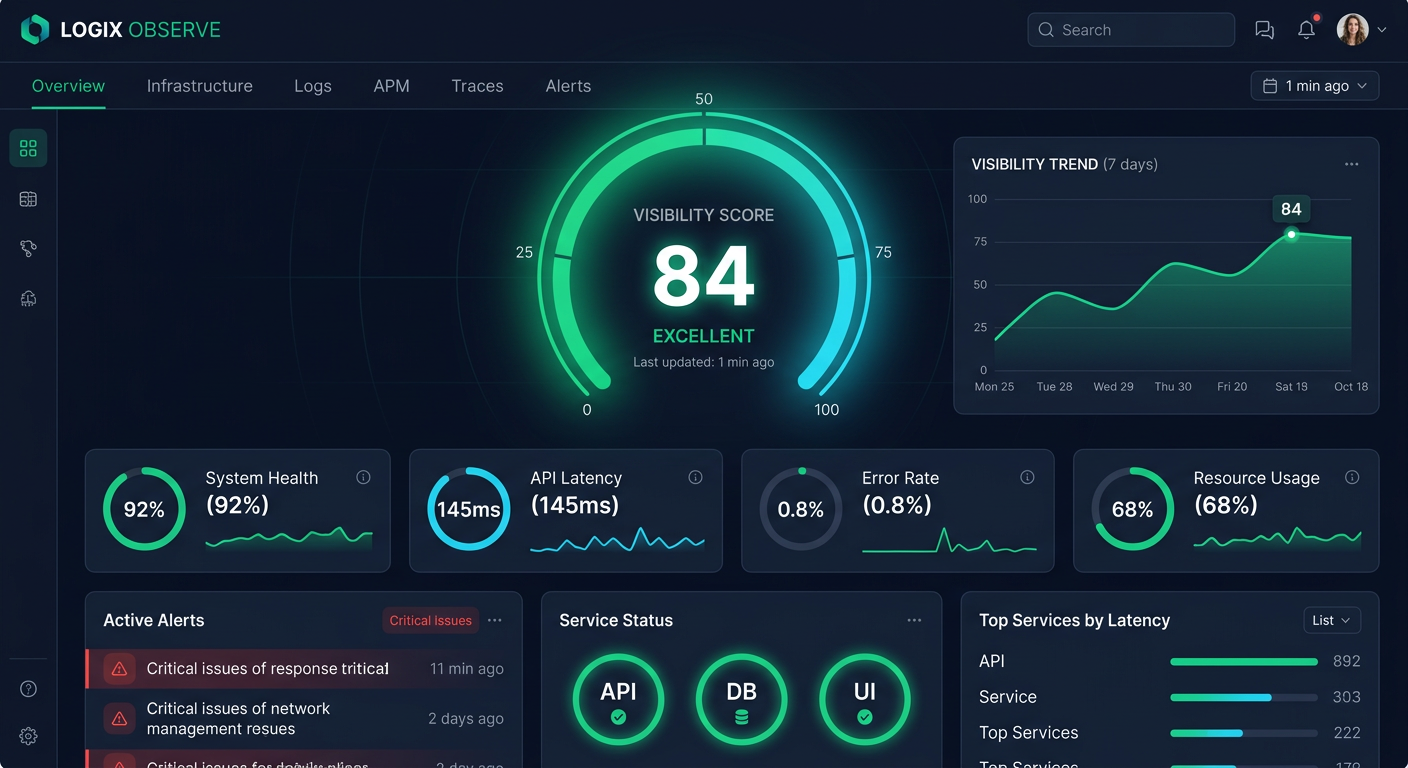
GEO is not a one-time project. AI models update their training data. Competitors publish new content. User query patterns evolve. You need ongoing visibility into how your brand appears across AI platforms. Track your Visibility Score over time to measure progress. PromptEden's Visibility Score (0-100) combines four dimensions: Presence (are you mentioned?), Prominence (how featured are you?), Ranking (where do you appear relative to competitors?), and Recommendation (does AI actively recommend you?). Use Citation Intelligence to understand which sources AI cites when discussing your brand. If competitors are getting cited from five authoritative sources and you only appear from your own website, that tells you exactly where to focus your authority-building efforts. Set a regular cadence for review. Weekly spot-checks, monthly analysis, and quarterly strategic adjustments work well for most teams.
Measuring GEO Success
Traditional SEO has mature measurement tools: rankings, traffic, click-through rates. GEO measurement is newer but equally important. Here is how to track whether your optimization efforts are working.
The Metrics That Matter
Mention frequency: How often does your brand appear in AI responses to relevant queries? Track this across multiple platforms, because ChatGPT might mention you while Claude does not.
Mention quality: Not all mentions are equal. Being named as the top recommendation is different from being listed as one of many options, which is different from being mentioned in a negative context. Distinguish between these levels.
Citation sources: When AI mentions your brand, what content is it drawing from? Understanding the source helps you know which content to invest in and which gaps to fill.
Competitive share of voice: How do you compare to competitors across the same set of queries? This relative measure often matters more than absolute numbers.
Trend direction: Are you gaining or losing ground over time? Weekly and monthly trends reveal whether your GEO strategy is working or needs adjustment.
Building a Measurement Stack
Manual monitoring works for initial audits but breaks down quickly. Checking 20 queries across 5 AI platforms means running 100 individual tests, and each platform's response can change from day to day. PromptEden's monitoring plans are structured around this problem.
What Good Progress Looks Like
GEO results do not arrive overnight. Technical fixes like unblocking AI crawlers or publishing an llms.txt file can show impact within weeks. Content optimization improvements typically take one to three months to influence AI responses. Authority-building efforts, such as earning third-party coverage and citations, often need three to six months before they consistently affect AI outputs. Set realistic expectations. A 10-point improvement in your Visibility Score over 90 days is a strong result for most brands starting from scratch. The brands that see the fastest progress are those that combine technical access fixes, content restructuring, and external authority building simultaneously rather than doing them sequentially.