

How to Write for AI Answers: A Content Creator's Guide
Guide to how write answers: Writing for AI answers means being direct, cutting filler, and building sentences around clear subjects and verbs. Learn to adapt your content strategy so Large Language Models extract, summarize, and cite your brand.

Why Writing for AI Is Different Than Traditional SEO: how write answers
Search is changing. According to Gartner, traditional search engine volume will decline by 25% by 2026. Users now favor AI assistants like ChatGPT, Claude, and Gemini to find immediate answers instead of clicking through pages of search results. Content creators must adapt, moving from traditional Search Engine Optimization to Answer Engine Optimization.
Writing for standard SEO often means optimizing for keyword density and satisfying search intent across a broad topic cluster to signal relevance to a crawler algorithm. Writing for AI takes a different approach focused on semantic clarity. Large Language Models do not read pages the way humans do. They process tokens and calculate mathematical relationships between entities. Complex metaphors and regional slang can lower the confidence score of AI models extracting facts. When a model cannot parse a statement cleanly, it drops the information and grabs a simpler source.
Direct, factual statements are far more likely to make it into an AI summary. An AI model evaluates content based on entity extraction capability. If your sentence includes multiple clauses, implied context, or marketing jargon, the model loses confidence in its understanding. To succeed in Answer Engine Optimization, you need content that a parser can break down into clear facts. Serve the answer directly, making sure the subject, verb, and object are clear to the processing algorithm.
This approach does not mean writing like a robot. It just means structuring your expertise so an algorithm can cite you as an authoritative source. If your brand goes missing from high-intent AI prompts, buyers will not shortlist you when asking for recommendations.
Helpful references: PromptEden Workspaces, PromptEden Collaboration, and PromptEden AI.
The Mechanics of Answer Engine Optimization
Answer Engine Optimization improves how often AI assistants mention and recommend your brand in generated answers. Effective optimization combines citable content, citation-source coverage, and ongoing measurement across multiple model families. For marketing teams, strong performance directly drives demand when buyers ask AI tools for recommendations.
When someone asks ChatGPT a question, the underlying model runs a retrieval process to find relevant information, often called Retrieval-Augmented Generation. The model searches its training data and real-time index for high-confidence facts. If the model finds conflicting data or source text buried in promotional language, it skips that source. To be the chosen source, your content must act like a clean database of facts.
AI models map the world through entities. These entities are distinct concepts, brands, or objects. Your writing needs to connect entities explicitly, without relying on pronouns that require reading previous paragraphs. Instead of saying your platform does something quickly, specify that your tool processes visibility metrics in under five seconds.
AI favors high information density. It wants maximum factual data packed into minimal text. Omit unnecessary preambles and start paragraphs with the core conclusion before giving the supporting evidence. Headings also act as direct queries. The sentence right after a heading should be the definitive answer to the concept introduced by that heading.
Structuring Your Content for High Confidence Scores
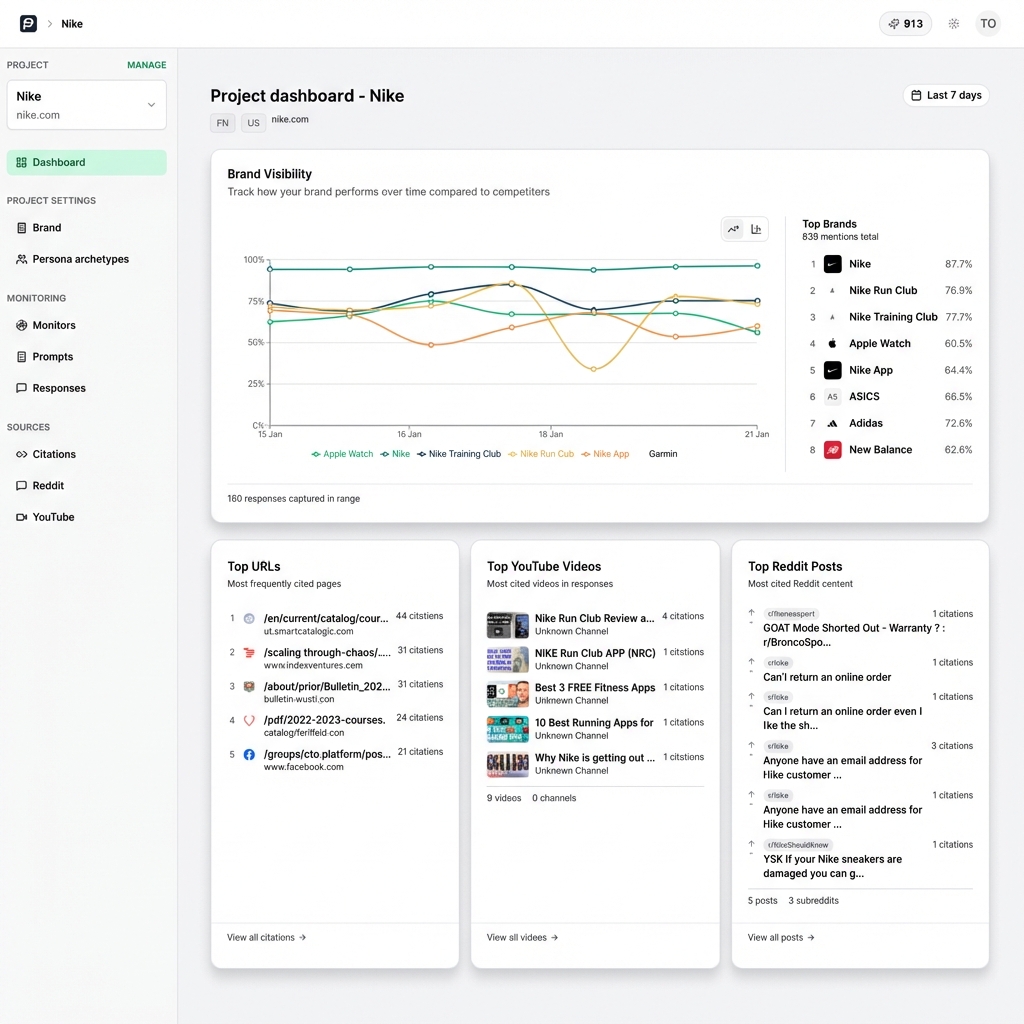
To get cited by AI, you have to understand how these systems evaluate trust. They assign internal entity confidence scores to decide if a piece of information is reliable enough to include in a synthesized answer. You can adjust your content structure to maximize this score and improve your chances of being cited.
Whenever you introduce a new concept or strategy, provide a one-sentence definition that stands alone. Do not rely on surrounding context to explain the term. This sentence should be ready to copy directly into an AI response. For example, stating that Visibility Score is a composite metric measuring a brand's presence across five AI surfaces provides a clear, extractable fact.
When making a claim, support it immediately with structured evidence to make your content highly citable. State the core claim directly, then provide two or three bulleted data points or specific examples, and conclude with the actionable takeaway. This evidence sandwich pattern gives the model exactly what it needs to justify including your information in its answer.
Use formatting intentionally to aid extraction. Bulleted lists and numbered steps are prized by parsers because they represent structured logic. If you explain a process, avoid writing it as a continuous paragraph. Instead, break it down into clear steps where you name the action, provide the exact mechanism, and state the expected outcome. Giving the model an explicit structure reduces its processing burden and increases your confidence score.
The Direct Answer Formula for AI Overviews
Google AI Overviews and Perplexity rely heavily on extractive summarization to provide users with instant answers. If your content buries the lead, you will not win the citation. You need to adopt the direct answer formula for every section of your content that targets a specific user question.
Every section should follow a strict hierarchy. Start by providing the direct answer in the first sentence, ensuring it is comprehensive enough to answer the question on its own. Next, follow up with two or three sentences that add necessary context or specifics. Finally, expand on the topic using structured formats like tables or lists to provide deeper detail.
If your heading asks how to measure share of voice in AI search, your first sentence should skip the long introduction. Instead, write that you measure Share of Voice in AI search by calculating the percentage of times your brand is recommended relative to competitors across targeted prompts. This approach gives the AI exactly what it needs in a single block.
Consistently applying this formula across your content library builds a repository of highly extractable facts. You move from hoping to be crawled to actively designing content to be cited. This structured approach forms the foundation of modern content optimization for artificial intelligence platforms.
Before and After: Converting SEO Copy to AEO Copy
Understanding the theory helps, but seeing the practical application makes the difference. Let us look at a typical transition from traditional SEO writing to Answer Engine Optimization to see how these principles work in practice.
A traditional SEO paragraph might read like this: Are you wondering how to track brand mentions? In the digital landscape, it is important to track brand mentions for your company. Our tool helps you track brand mentions smoothly. By keeping an eye on the market, you can understand what people are saying and gain those insights.
An AI model will not cite this because it contains zero concrete facts or specific mechanisms. It is full of filler words and repeats the keyword unnaturally.
An optimized paragraph focuses on semantic clarity and facts. It might read: Tracking AI brand mentions requires monitoring how often Large Language Models recommend your product in response to user prompts. This data is compiled into a Visibility Score, allowing marketing teams to measure organic brand detection.
An AI model cites this second version because the subject and verb relationships are explicit. It uses specific numbers like nine distinct platforms and daily queries. It defines the mechanism and introduces a quantifiable concept. Rewriting your existing content to match this standard means stripping away conversational padding and replacing vague adjectives with concrete nouns.
How to Measure Your AI Content Visibility
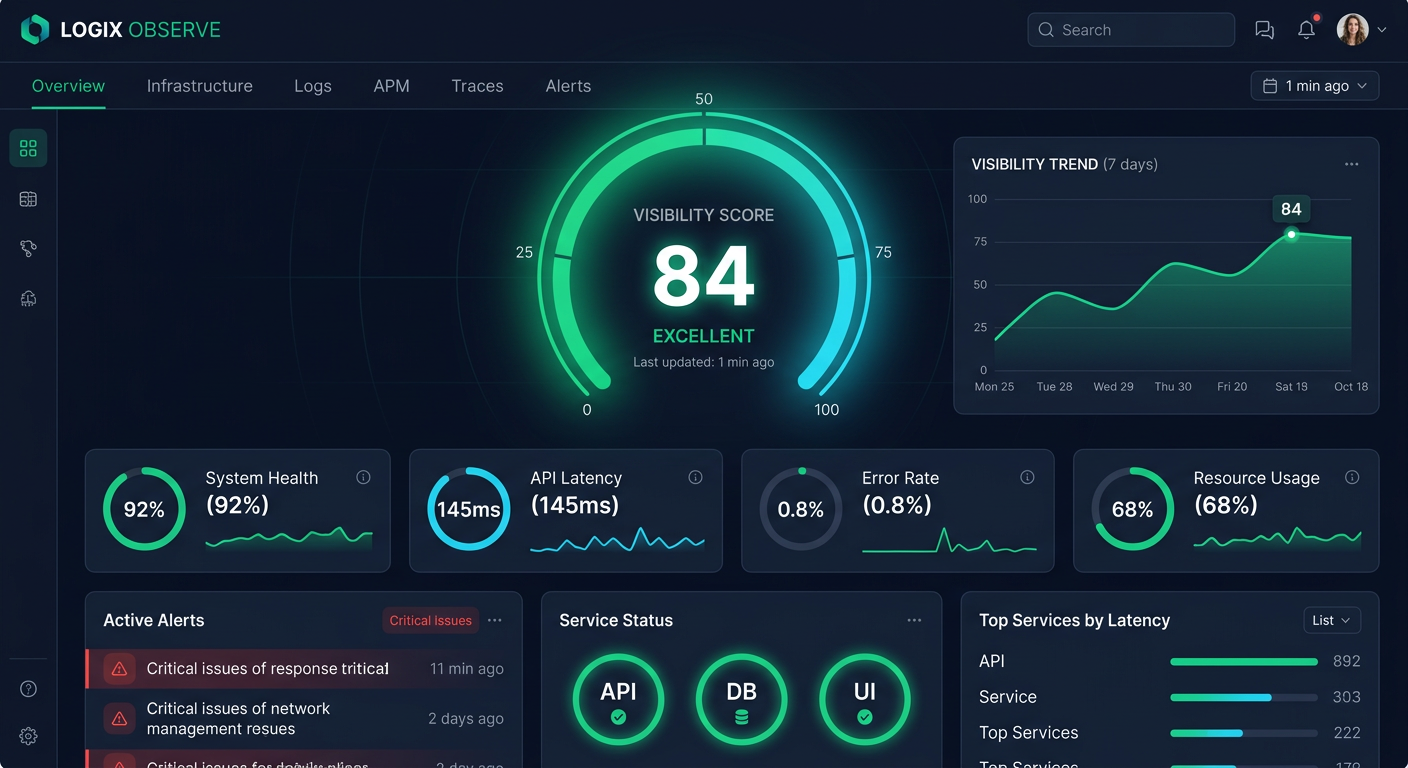
Writing optimized content is only half the work. You also have to measure its impact to know if your strategy is working. Traditional rank tracking tools cannot tell you if ChatGPT is recommending your product, so you need a dedicated measurement strategy built for the artificial intelligence era.
Start by tracking your Visibility Score. This metric quantifies your AI visibility from zero to one hundred across four components: presence, prominence, ranking, and recommendation frequency. Monitoring this score over time lets you see if your content optimizations actually influence model behavior.
Next, analyze your citation sources. Look at exactly which sources models cite for you and your competitors. If you notice Claude frequently citing a specific type of structured list from your site, you know to publish more of that format. On the other hand, if competitors win citations by defining terms more , you get a direct roadmap for your own content improvements.
Finally, monitor specific high-intent prompts week over week to catch shifts early before they impact revenue. If your brand suddenly drops out of the recommendations for a core product category, you can investigate the cause right away. Treating content creation and measurement as a combined operating system ensures you capture demand regardless of where the user asks the question.