

How to Get Your Brand Mentioned in Perplexity AI
Perplexity AI is one of the few AI platforms that consistently cites its sources with inline references, making every citation a potential traffic driver. This guide explains how Perplexity selects sources, what makes content citable, and how to optimize your site for consistent mention and citation visibility. You will walk away with a Perplexity-specific optimization checklist you can start using today.

Why Perplexity Citations Matter More Than You Think
Perplexity AI is not just another chatbot. It is an answer engine that searches the web in real time, synthesizes information from multiple sources, and displays inline citations next to every claim it makes. When Perplexity cites your website, readers see a numbered reference they can click to visit your page directly. This makes Perplexity fundamentally different from ChatGPT or Claude when it comes to brand visibility. Those platforms may mention your brand, but they rarely link back to your site. Perplexity does, every single time.
Citations Drive Real Referral Traffic
Each Perplexity citation is a clickable link. Users who want to verify a claim or learn more will follow those references. For many brands, Perplexity has become a measurable referral channel sitting alongside organic search and social media in their analytics dashboards. The traffic tends to be high-intent, too. Someone reading a Perplexity answer about "best CRM for small teams" and clicking your citation is already deep into their research. They are not casually browsing.
The Compounding Effect
When Perplexity cites your content once and users engage with it, that page gains additional signals of authority. Fresh engagement data, backlinks from people who share the answer, and increased crawl frequency all feed back into a cycle where your content becomes more likely to be cited again. This is why early optimization pays off. Brands that earn Perplexity citations now build a compounding advantage over competitors who wait.
How Perplexity Selects and Ranks Sources
Understanding Perplexity's source selection process is the foundation of any optimization strategy. Perplexity does not pull from static training data the way a standalone LLM would. It runs a live web search for every query, evaluates the results, and synthesizes an answer from the top sources it finds.
The Search-First Architecture
When a user asks Perplexity a question, the system performs a web search (often multiple searches for complex queries), retrieves pages from the results, reads their content, and then generates a response that weaves together information from those sources. Every factual claim in the response gets an inline citation pointing back to the page it came from. This means Perplexity's source selection is heavily influenced by traditional search ranking signals. Pages that rank well in web search have a better chance of being retrieved and cited. But ranking alone is not enough. Perplexity also evaluates content quality, relevance, and structure before deciding what to cite.
What Perplexity Looks For in a Source
Based on observed citation patterns, Perplexity tends to favor:
- Authoritative domains with strong backlink profiles and established topical authority
- Well-structured content that uses clear headings, lists, and logical organization
- Specific, factual claims backed by data, numbers, or named sources
- Fresh content that has been recently published or updated
- Directly relevant answers that match the user's query intent closely
Pages that are vague, poorly structured, or outdated tend to get passed over even if they rank in search results.
The Role of Freshness
Because Perplexity searches the live web, content freshness matters significantly more than it does for platforms like ChatGPT (which relies primarily on training data). A blog post updated last week can outperform an older, higher-authority page if it contains more current information. This is good news for smaller brands. You do not need a massive domain authority to earn Perplexity citations. You need current, specific, well-organized content that answers real questions.
Multiple Citations Per Response
Perplexity typically cites several sources per answer, sometimes more for complex queries. This means you are not competing for a single slot. Even if a competitor holds the top citation, you can still appear as the second or third reference. The goal is to be among the cited sources, not necessarily the only one.
The Perplexity Optimization Framework
Earning Perplexity citations requires work across four areas: technical accessibility, content structure, topical authority, and freshness. Here is a practical framework you can follow.
1. Make Sure Perplexity Can Crawl Your Site
Before optimizing content, confirm that Perplexity can actually access your pages. Perplexity uses its own web crawler (PerplexityBot) to index and retrieve content. If your robots.txt blocks this crawler, your content will never appear in Perplexity answers. Check your robots.txt file for rules that might block AI crawlers. Look for lines like:
User-agent: PerplexityBot
Disallow: /
If you see something like this, you are actively preventing Perplexity from accessing your content. Remove the block or change Disallow: / to Allow: / for PerplexityBot. You can use PromptEden's free AI content audit checklist to quickly audit whether your site blocks Perplexity or other AI crawlers.
2. Create an llms.txt File
The llms.txt standard gives AI systems a structured overview of your site. Think of it as a sitemap designed specifically for language models. It tells Perplexity (and other AI crawlers) what your site is about, what your key pages are, and how your content is organized. A basic llms.txt file includes:
### Your Brand Name
A brief description of what you do and who you serve.

### Key Pages
- /products/: Overview of your product line
- /pricing/: Plans and pricing
- /blog/: Latest articles and guides
- /about/: Company background and team

### Topics We Cover
- Topic area 1
- Topic area 2
- Topic area 3
You can generate one in minutes using PromptEden's free guide to setting up llms.txt.
3. Structure Content for Citation
Perplexity reads your page and extracts specific passages to cite. The easier you make extraction, the more likely your content gets cited. Write with these structural patterns:
Lead with definitions. Start sections with a clear, quotable statement. Instead of building up to a point, state the answer first and then elaborate. Perplexity is more likely to cite a sentence that directly answers a question.
Use descriptive headings. Your H2s and H3s should mirror the questions people ask. A heading like "How much does X cost?" is more citable than "Pricing Information" because it matches query patterns.
Include specific numbers. Perplexity strongly favors content with concrete data. Percentages, dollar amounts, dates, and benchmarks all make your content more citable than vague statements.
Break content into scannable blocks. Short paragraphs, bullet lists, and numbered steps help Perplexity identify and extract relevant passages. Walls of text are harder for the system to parse cleanly.
4. Build Topical Authority
Perplexity's search component considers domain authority and topical relevance. Publishing a single article on a topic is rarely enough. You need a cluster of related content that signals deep expertise. For example, if you sell project management software, you might publish:
- A definitive guide to project management methodologies
- Comparison pages (your tool vs. competitors)
- Use case pages for different industries
- Data-driven reports on productivity trends
Each piece reinforces your authority on the broader topic, making any individual page more likely to be cited.
5. Keep Content Fresh
Perplexity's real-time search means that recently updated content has an edge. Make it a habit to:
- Update key pages at least quarterly with new data or examples
- Add "Last updated" dates to signal freshness
- Publish timely content when industry changes happen
- Remove or redirect outdated pages that could dilute your authority
Measuring Your Perplexity Visibility
Optimization without measurement is guesswork. You need a way to track whether your changes are actually earning more Perplexity citations over time.
What to Measure
Citation frequency. How often does Perplexity cite your domain when users ask questions about your industry or category? Track this across a consistent set of queries so you can spot trends.
Citation position. Are you the first source cited, or the fifth? Earlier citations tend to get more clicks and carry more implied authority.
Query coverage. For how many relevant queries does your brand appear? A high citation rate on a handful of queries is less valuable than moderate citation rates across a broad set of queries.
Competitor citations. Which competitors appear alongside you? Which ones appear instead of you? Understanding the competitive landscape helps you prioritize content gaps.
Tracking with PromptEden
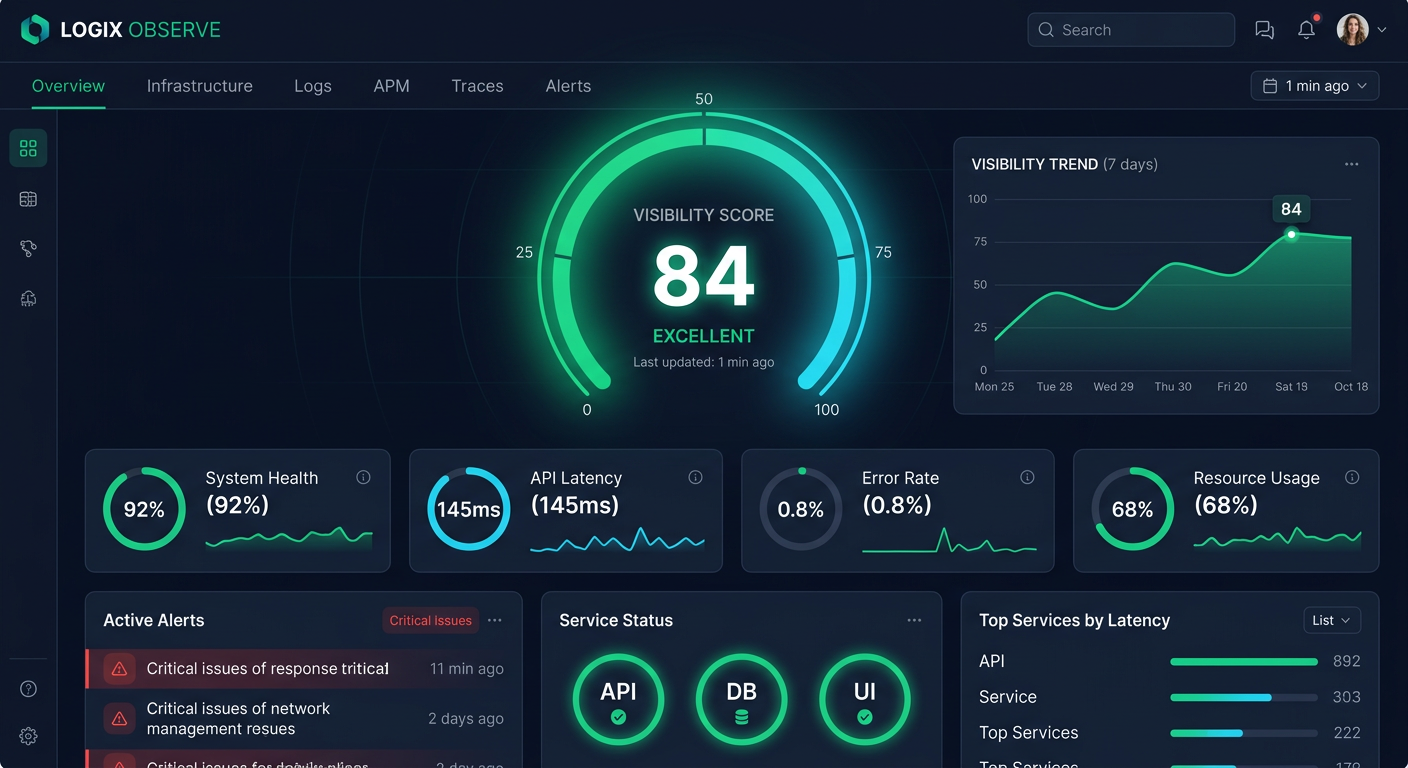
PromptEden monitors brand visibility across five AI surfaces, including Perplexity. You can set up prompts that matter to your business and track how each platform responds over time. The Visibility Score (0-100) measures four dimensions of your brand presence: Presence, Prominence, Ranking, and Recommendation. For Perplexity specifically, the Citation Intelligence feature shows which of your pages get cited, how often, and for which queries. You can compare your citation profile against competitors to identify where they are getting cited and you are not. These gaps become your content roadmap. Plans range from Free (10 prompts, weekly refresh) to Business ($349/mo, 400 prompts, 3-hourly refresh).
DIY Tracking (If You Are Not Ready for a Tool)
If you want to start tracking manually before committing to a monitoring tool:
- Create a spreadsheet with 15-20 queries relevant to your brand
- Run each query in Perplexity weekly
- Record which sources get cited for each query
- Note your position in the citation list
- Track changes over time
This works for small-scale monitoring but becomes time-consuming quickly. Most teams automate within a month.
Perplexity Optimization Checklist
Here is a practical checklist you can work through to improve your Perplexity citation rate. Tackle these in order, starting with the technical foundations.
Week 1: Technical Foundations
- Run your site through an AI content audit checklist to confirm PerplexityBot is not blocked
- Generate and deploy an llms.txt file to your site root
- Verify your key pages load quickly and render as HTML (not gated behind JavaScript)
- Confirm no login walls block access to your important content
- Check that your sitemap.xml is current and submitted to search engines
Week 2: Content Audit
- Identify your 10 most important pages for citation
- Rewrite opening paragraphs to lead with clear, quotable definitions
- Add specific numbers, dates, and data points where possible
- Restructure headings to match common query patterns
- Break long paragraphs into shorter, scannable blocks
Week 3: Authority Building
- Publish or update at least one definitive guide in your core topic area
- Create a comparison page for your brand vs. top 2-3 competitors
- Add "Last updated" dates to your key pages
- Identify 3-5 industry publications where you could earn coverage or guest posts
- Update your about page and author bios with credibility signals
Week 4: Measurement Setup
Define 15-20 queries that matter for your brand
Run a baseline test in Perplexity to see where you currently get cited
Document competitor citation positions for comparison
Update key content pages with fresh data and examples
Publish new content targeting queries where competitors get cited and you do not
Review and respond to citation trend changes
Expand your monitored query set as you identify new opportunities
Audit robots.txt and llms.txt quarterly to ensure nothing has changed
Common Mistakes That Block Perplexity Citations
Even with good content, certain mistakes can prevent Perplexity from citing your site. Watch out for these common issues.
Blocking AI Crawlers Without Realizing It
Many CMS platforms and security plugins add broad bot-blocking rules to robots.txt. A rule like User-agent: * followed by Disallow: / blocks every crawler, including PerplexityBot. Check your robots.txt regularly, especially after CMS updates or security changes.
Gating Content Behind Login Walls
If Perplexity cannot access your page without authentication, it cannot cite it. Gated whitepapers, member-only blog posts, and paywall-protected articles are invisible to Perplexity. Make your most citable content freely accessible.
Writing Vague, Non-Specific Content
Perplexity needs concrete information to cite. Content filled with generic statements like "our solution helps businesses grow" gives the system nothing to reference. Replace vague claims with specific facts: what does your product do, for whom, and with what measurable outcome?
Ignoring Content Freshness
A great article published three years ago and never updated will lose ground to a mediocre article published last month. Perplexity's real-time search weighs recency. Keep your best content fresh.
Targeting Only Your Brand Name
If you only optimize for branded queries ("What is [Your Brand]?"), you miss the larger opportunity. Most Perplexity traffic comes from category and problem queries ("best tools for X," "how to solve Y"). Optimize for the questions your audience actually asks, not just your brand name.
Neglecting Third-Party Coverage
Your own website is only one source Perplexity can cite. Industry publications, review sites, directories, and expert roundups all serve as potential citation sources. If only your domain shows up in results for your category, your authority signal is weaker than a competitor who appears across multiple independent sources.