

How to Optimize Your Healthcare Practice for AI Search
AEO for healthcare providers ensures medical practices and hospitals are cited as authoritative, trustworthy sources in AI-generated answers for health-related queries. While patients increasingly turn to AI assistants for initial symptom checking and specialist recommendations, AI models heavily filter medical responses, requiring exceptional source authority.

What is AEO for Healthcare Providers?
Answer Engine Optimization (AEO) for healthcare providers ensures medical practices and hospitals are cited as authoritative, trustworthy sources in AI-generated answers for health-related queries. This discipline bridges the gap between traditional medical SEO and the new reality of generative AI assistants.
When patients ask tools like ChatGPT, Claude, or Perplexity about symptoms or local specialists, these models synthesize answers from trusted medical databases and authoritative local practice websites. AEO focuses on structuring your medical expertise so that AI engines confidently retrieve and recommend your providers.
Unlike standard search engines that provide a list of links, generative engines attempt to answer medical questions directly. Because medical information carries high risk, AI models apply strict filtering. They prioritize sources that demonstrate strong authority and clear credentials while providing structured, factual data. For medical practices, this means traditional SEO tactics are no longer enough on their own. You must actively optimize for AI visibility to maintain a strong presence where patients are starting their searches for care.
Medical practices that adapt to this new paradigm will capture the next generation of patients, while those relying entirely on traditional search rankings risk losing visibility. The key is understanding what AI models consider to be an authoritative medical source and structuring your digital presence to broadcast those signals loud and clear.
Why Medical AEO Matters: The Shift in Patient Discovery
The digital front door for healthcare is changing. Patients increasingly turn to AI assistants for initial symptom checking, treatment research, and specialist recommendations before they ever book an appointment. If your practice is absent from these AI-generated answers, you lose visibility at the beginning of the patient's search process.
Patients use these tools to understand their symptoms, translate medical jargon from lab results, and find well-rated local specialists. When an AI assistant recommends a specific clinic for orthopedic surgery or dermatology, it establishes immediate trust. Being cited as a source or recommended as a provider in these answers directly influences patient acquisition. This is the core reason why healthcare generative engine optimization is becoming a required marketing function.
Public perception of AI in healthcare also remains mixed. According to Pew Research Center, 60 percent of adults say they would feel uncomfortable if their own healthcare provider relied on AI to diagnose disease and recommend treatments. This skepticism means that when patients use AI themselves, they are looking for the AI to point them toward real, credentialed human experts. If your practice surfaces as the authoritative human expert in those AI responses, you capture high-intent patients who are ready to seek professional care.
Patients are vulnerable when researching health conditions. They want reassurance, and an AI recommendation acts as a strong endorsement. When an AI model cites your practice's article on managing chronic pain, it validates your expertise to the prospective patient.
The Difference Between Medical SEO and Medical AEO
It is easy to confuse standard search engine optimization with Answer Engine Optimization, but the two disciplines require distinct approaches, especially in healthcare. While they share common goals, the mechanics of how you achieve visibility differ.
Traditional Medical SEO focuses on ranking web pages for specific keywords. Success is measured by where your link appears on a search engine results page (SERP). The strategy involves backlink building, keyword density, and optimizing page speed. The user still has to click your link and read your website to get their answer.
Medical AEO focuses on being the source material for an AI's direct answer. Success is measured by citation frequency and recommendation inclusion within the AI response itself. The strategy involves formatting content into quotable definitions, displaying medical credentials, and structuring data so the AI can easily extract facts without ambiguity.
In practice, this means your content must be entirely self-contained. A search engine might rank a long, anecdotal blog post about a patient's recovery process because it has great backlinks. However, an AI model is unlikely to cite that post when asked a direct medical question because it struggles to extract clear, objective facts from the narrative. AI demands density and clarity over length and storytelling.
How AI Models Choose Medical Sources: The Trust Equation
AI models apply intense scrutiny to health-related queries, operating under strict safety guidelines to prevent medical misinformation. Understanding how AI models choose medical sources is important for effective healthcare generative engine optimization. To earn citations, medical practices must provide what AI models consider clear trust signals.
Here is a checklist of medical trust signals AI models look for:
- Explicit Medical Credentials: Author biographies must state degrees, board certifications, and professional affiliations.
- Clinical Review Clearances: Content must feature visible "Medically reviewed by" statements with precise dates.
- Unambiguous Factual Statements: AI prefers direct, declarative sentences over subjective or marketing-heavy prose.
- High-Quality Outbound Citations: Linking to PubMed, NIH, or established medical journals signals that your content is evidence-based.
- Structured Data and Schema: Clear organization of conditions, treatments, and provider specialties helps AI confidently extract facts.
When a generative engine synthesizes an answer about managing chronic pain or finding a local pediatrician, it cross-references its training data against these signals. Sites that present a high density of these trust markers are selected as the foundational sources for the AI's response. If your website lacks these markers, the AI will bypass your content in favor of a more well-structured competitor, even if your actual clinical care is superior.
Common Challenges in Healthcare Generative Engine Optimization
Optimizing for AI visibility in healthcare presents challenges that other industries do not face. Medical practices often struggle with legacy content strategies that actively repel AI models. Recognizing these pitfalls is the first step toward remediation.
The most common issue is the overuse of marketing language in clinical descriptions. Phrases like "we offer the best care in the state" or "our treatments will change your life" diminish the objective tone that AI models require. AI assistants filter out promotional language when synthesizing medical answers. If your content reads like an advertisement, it will not be cited as a medical authority.
Another major hurdle is fragmented provider information. Many hospital systems scatter doctor information across directories, PDF brochures, and disjointed department pages. If an AI cannot easily locate a doctor's specific procedural expertise, education, and board certifications on a single, well-structured web page, it will not recommend that doctor for specialized queries. Patients searching for niche treatments rely on these precise details, and AI models prioritize sources that aggregate this information cleanly.
Finally, outdated content is a big red flag. Medical science evolves quickly, and AI models are trained to prioritize recent, up-to-date information. An article on diabetes management from five years ago, even if technically accurate, will lose out to a recently published, medically reviewed piece from a competing clinic. Regular content audits and refresh cycles are required for medical AEO. Practices must implement schedules to review and update historical content, ensuring all clinical guidance reflects current medical consensus.
Actionable Strategies for Medical AI Visibility
Improving AI visibility for doctors requires a structured approach to content and technical optimization. You must treat your practice's digital presence as a structured database of medical expertise.
Follow these concrete steps to optimize your practice for generative engines:
1. Formalize Medical Review Processes Ensure every piece of condition or treatment content on your site has been formally reviewed by a credentialed provider. Add clear review dates and link directly to the reviewing physician's detailed biography page. This explicit connection between clinical information and a verified human expert is a primary trust signal.
2. Publish Quotable Definition Blocks Start your condition pages with a direct, one-sentence medical definition. For example, instead of a long introductory narrative about arthritis, begin with: "Osteoarthritis is a degenerative joint disease characterized by the breakdown of cartilage in the joints." This formatting makes it easy for AI models to extract and cite your definition.
3. Optimize Provider Biographies Expand your doctor profile pages. Include specific clinical interests, procedural expertise, years of experience, and exact hospital affiliations. AI models extract these details when users ask for specific recommendations, such as "experienced pediatric knee surgeons near me."
4. Answer Patient Questions Directly Create helpful FAQ sections using natural language. If patients frequently ask about recovery times for a specific procedure, write a self-contained, objective answer that an AI can lift and cite. Avoid weaving the answer into a dense paragraph; keep it isolated and clear.
By following these steps, you transform your website from a digital brochure into a citable medical resource that AI engines trust and recommend.
The Role of Structured Data in Medical AEO
Structured data, specifically schema markup, is a foundational technical component of Answer Engine Optimization for healthcare providers. While human readers can infer context from your page layout, AI models often rely on backend code to categorize information accurately and efficiently.
Implementing MedicalOrganization, Physician, and MedicalCondition schema markup provides a direct roadmap for AI crawlers. When you use Physician schema, you are explicitly tagging data points like medical specialty, affiliated hospitals, and educational background. This removes any ambiguity. An AI does not have to guess if a provider is a cardiologist or a pediatrician; the schema provides the definitive answer.
Structured data also helps establish relationships between different entities on your website. Linking a specific MedicalCondition page to the specific Physician who reviewed it creates a verifiable chain of authority. This technical rigor demonstrates to generative engines that your practice maintains an organized, professional digital infrastructure, which in turn improves your overall trust score and citation potential.
Local AEO: Getting Recommended for 'Near Me' Queries
For most medical practices, patient acquisition is localized. It does not matter if an AI cites your content in a different country; you need to appear when a local patient asks an AI assistant for recommendations in your specific city or region. Local AEO requires its own distinct strategy.
AI models combine geographical data with trust signals to formulate local recommendations. To ensure your practice is included, you must embed explicit location markers throughout your site's architecture. This means stating your neighborhood, city, and surrounding service areas on your contact pages, provider bios, and even within your clinical content where relevant.
Consistency across external directories is also essential. Generative engines cross-reference your website data with external platforms to verify your location and operating hours. Ensure your practice name, address, and phone number are identical everywhere they appear online.
Patient reviews also play a large role in local AI recommendations. Models often summarize sentiment from aggregate review platforms when answering questions like "Who is the best dermatologist in Chicago?" Encourage satisfied patients to leave detailed feedback mentioning specific treatments and doctors by name. The more descriptive the reviews, the more context the AI has to draw upon when recommending your practice. A simple star rating is helpful, but rich narrative reviews provide the specific keywords and procedural context that generative engines use to match patients with the right specialists.
Tracking AI Visibility for Doctors and Specialists
Implementation is only half the battle. To ensure your AEO efforts are working, you must actively track how often your medical practice is recommended by generative engines. You cannot manage what you do not measure, and the AI landscape is too volatile to rely on guesswork.
Traditional rank tracking cannot show you if ChatGPT or Perplexity is citing your clinic for local specialty queries. You need specialized monitoring to understand your true share of voice in the AI ecosystem. Without this data, you are flying blind, unable to see if your trust signals are influencing model behavior.
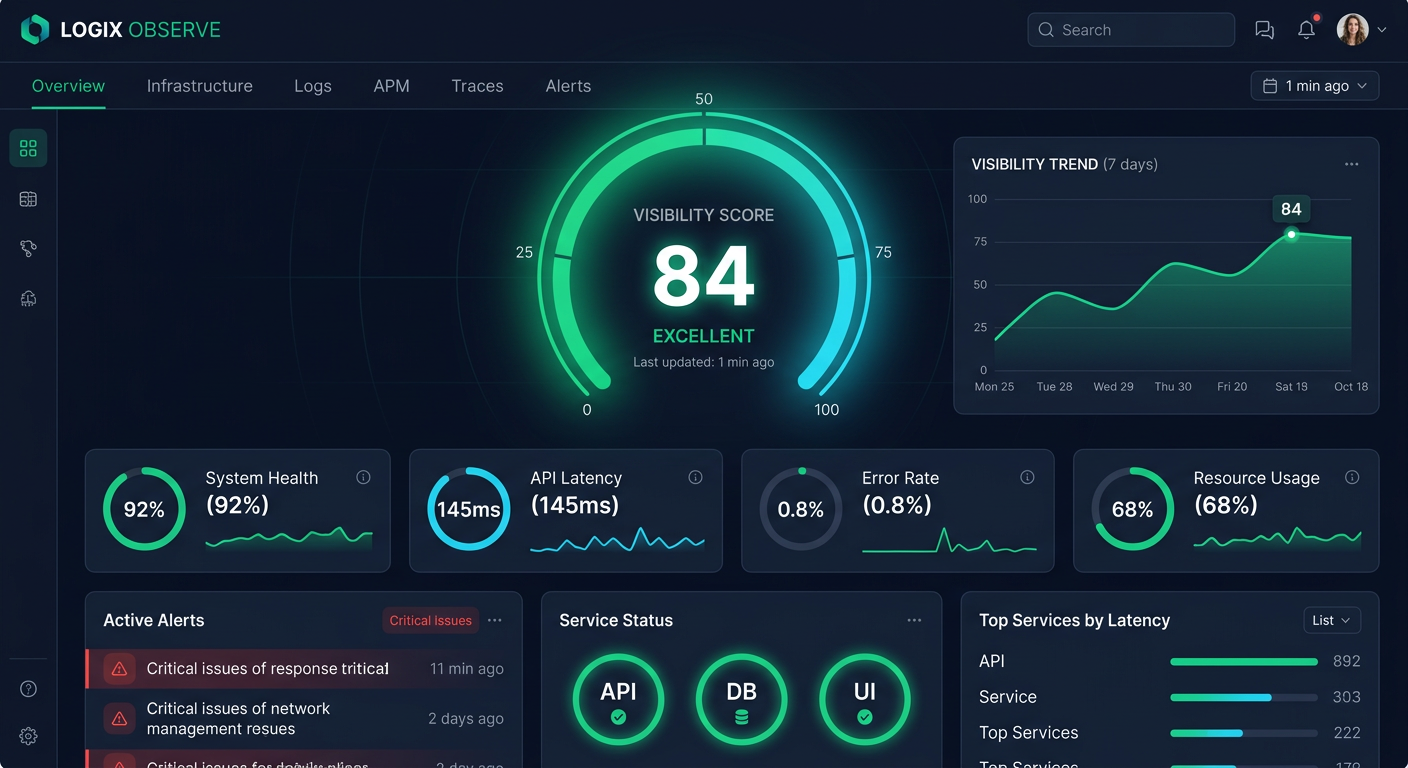
PromptEden monitors brand visibility across multiple AI platforms spanning search, API, and agent categories. By tracking specific medical prompts over time, you can catch shifts early and see exactly which sources models cite for you and your competitors. Our Visibility Score quantifies your performance, allowing you to measure the direct impact of your medical review processes and content updates. This intelligence helps you adjust your strategy based on real-time feedback from the engines themselves.
Evidence and Benchmarks: Measuring Success
Establishing clear benchmarks is important for long-term AEO success in the healthcare space. Because AI models update their retrieval behavior often, your visibility can fluctuate. You need concrete data points to guide your strategy and prove the return on investment for your optimization efforts.
When evaluating your medical AEO performance, focus on these leading metrics:
- Citation Frequency: How often your practice's URLs appear in the source lists of AI Overviews, Perplexity answers, and other cited models.
- Recommendation Inclusion: The rate at least one of your providers is named when users ask for top specialists in your specific geographic region.
- Competitor Share of Voice: How your visibility compares to rival hospitals or clinics in the same market.
- Prompt Trajectory: Whether your inclusion in specific, high-value prompt answers is trending up or down over time.
Practices that prioritize structured, medically reviewed content consistently see higher recommendation frequencies. It is not just about having the most content; it is about having the most verifiable, authoritative content. Keep your focus on factual density and credential transparency, and the AI citations will follow. The transition to generative search is inevitable, but by adopting these measurement frameworks, your practice can manage the shift with confidence and clarity.